(1)(2).jpg)
Event Description
Please note: this course is open for booking to all, but you will only have access to the online study materials, and the ability to sit the exam and be certified, if you have already passed Capstone Level 1.
This course runs Sundays 04/10/26 and 11/10/26.
Become a certified Californian wine expert. Capstone California Wine courses offer wine enthusiasts and wine professionals a comprehensive guide to the Californian wines. These courses are now available in the UK for the first time.
The Capstone California wine program offers four levels of study - Introductory Level 1, Intermediate Level 2, Advance Level 3 and Expert Level 4. Each builds on the level prior, and covers history, lore, geography, climate, soils, grapes, viticulture, vinification, aging and maturation, wine laws, official classifications, producers, vintages and the business of wine.
Capstone California Course - Level 2
The Introductory Level 1 (suitable for WSET Level 2, 3 and 4 students) covers ten hours of wine curriculum. The course will start at 10.30am and will finish at 4.30pm on each day. There will be a break included for students to have lunch.
You will taste 16 Californian wines over the course - 8 wines per session.
By the end of the Level 2 course candidates will be able to:
- Describe the most important events on timeline of California wine history including the mission era, post-gold rush, late 19th century, Prohibition, and the modern era.
- Explain the significance of five major figures in California wine history including Fr. Junipero Serra, Charles Wetmore, Charles Krug, and others.
- Show the location major rivers in California wine regions on a map including the Napa River, Russian River, and Salinas River.
- Show the location of important mountain ranges California wine regions on a map including the Coastal Range, Mayacamas Mountains, Vaca Range, and Santa Cruz.
- Describe the origins of alluvial, marl, and volcanic soil types.
- Explain these three different soil types vary in heat and water retention.
- Explain how these three soil types work well with certain grape varieties.
- Describe the grape variety profiles of Chardonnay and Sauvignon Blanc, in terms of where it is grown, benchmark wineries by area, and take a look at where else in the world these varieties are grown.
- Describe the grape variety profiles of Cabernet Sauvignon and Pinot Noir, in terms of where it is grown, benchmark wineries by area, and take a look at where else in the world these varieties are grown.
- Describe the grape variety profiles of Zinfandel, Merlot and Syrah, in terms of where it is grown, benchmark wineries by area, and take a look at where else in the world these varieties are grown.
- Explain the concept of the yearly life cycle of the vine.
- Define the terms associated with the yearly life cycle of the vine including flowering, bud break, véraison, trellising, pruning, green harvest, harvest timing, and more.
- Explain the basics of how white, rosé, and red wines are made.
- Describe practices taken to maintain sustainability.
- Explain the major differences between French, oak, American oak, and other major varieties of European oak.
- Describe how wine style is affected by the choice of oak.
- Write shorter profiles for primary AVA's in Lodi and the Delta, Mendocino County, Livermore Valley, San Luis Obispo County, Monterey County, and the Santa Cruz Mountains.
- List important wineries from the Wine Institute’s Grower & Winery Icons Living History.
- Explain how vintages vary from year to year depending on weather patterns and timing of harvest.
- Describe in detail the three-tiered system in the U.S.
- List the information legally required on wine labels by federal law using several wine label images.
- Identify legally required information on labels of sparkling, white, rose, red, and dessert wines
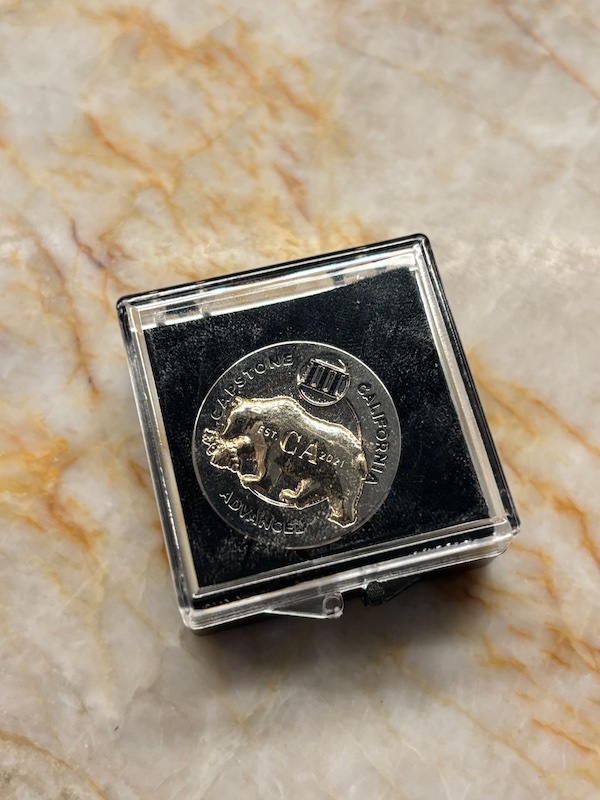
Upon successful completion of an exam (which you are able to take online in your own time after attending the course), you will receive a Capstone California wine certificate and lapel pin and be ready to take the next course level.

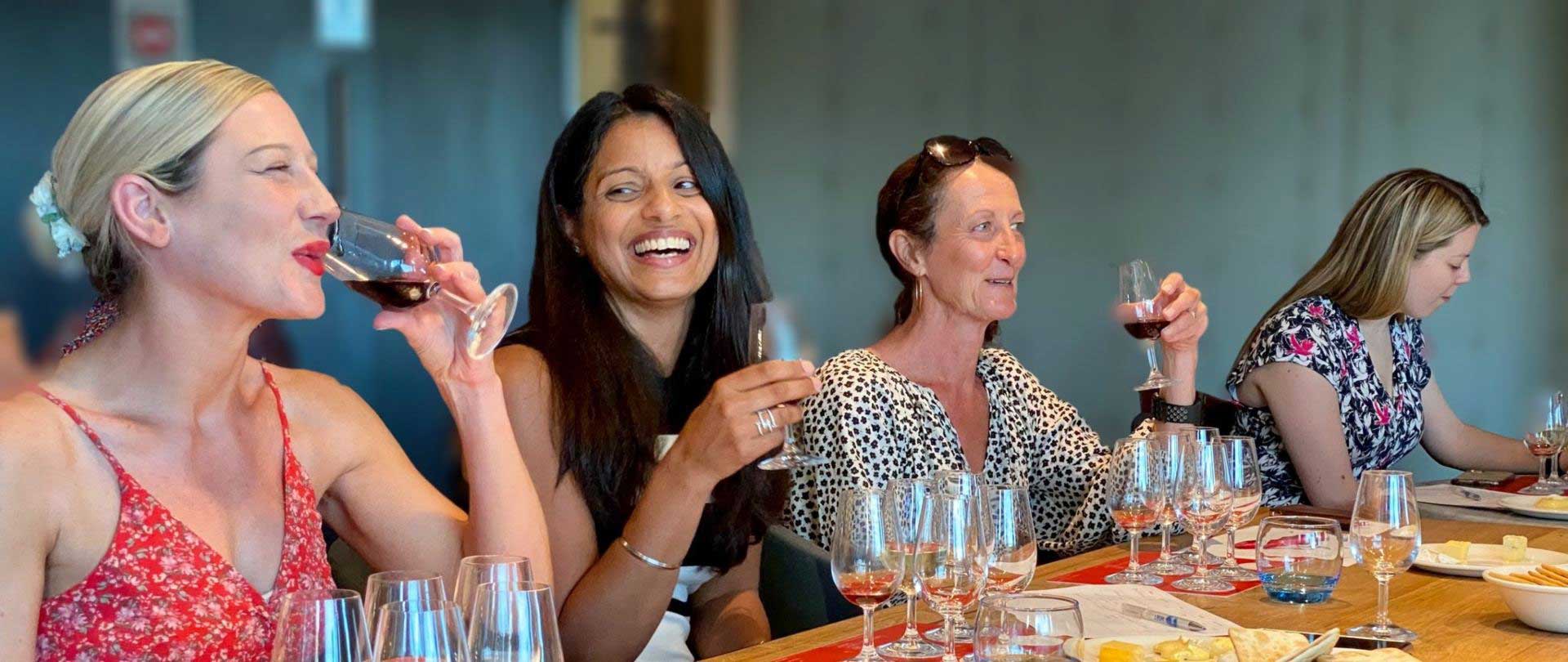
What makes seemingly similar wines have vastly different price tags? Is it worth paying more for a bottle? Or best stick with what you know and like? Test your taste buds as we compare wines at £7.50, £15 and £30 without knowing whi...
.jpg)
Our Gift Vouchers for fun Tastings and Courses make a perfect gift for any occasion.
- Choose an event or £ value
- Add your message (optional)
- FREE Email Gift Vouchers
- Or upgrade with a gold-embossed Gift Voucher delivered in stylish wallet
- Valid for 24 months
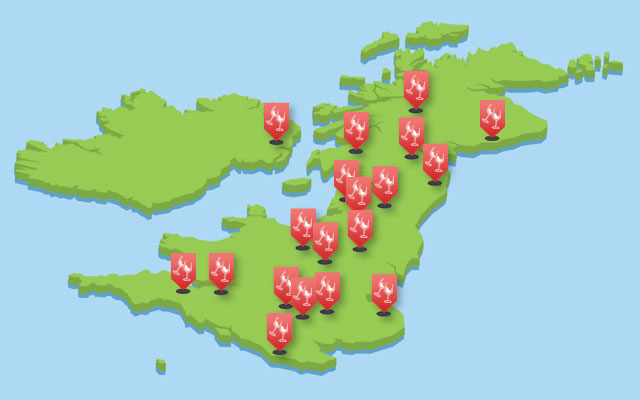
- Redeem easily at all our wine schools UK-wide – over 40 locations!
Local Wine Schools in the Press

'The best wine courses and classes in the UK'

'Londons loveliest wine tasting classes'
We're part of the Local Wine School Network
The world's fastest-growing network of independent wine schools, teaching fun, accessible wine courses at all levels – ‘wine tasting for everyone’. We also offer professional courses and qualifications for those wishing to start or develop their wine careers.
Wine Schools Franchises